Arguements Agains Those That Are Okay With Abortion
Fighting for the correct to repair is a noble human action, but it'south non as easy as you might think. And no, it'due south not only because of the manufacturers wanting to make y'all buy more than you demand—although information technology's still a prevalent reason. The bigger picture is more nuanced than that.
There are a lot of reasons why the right to repair is of import. But what nigh the other side of the argument? What are the reasons against the right to repair?
one. User Safety
1 of the strongest arguments against the right to repair is user prophylactic. Tech today is no longer as simple as it used to be; it has become more complicated, interconnected, and harder to fix by oneself without professional help or expertise. That means you trying to prepare your smartphone is not the same as your grandpa trying to fix a cassette role player.
Digging into your tech devices yourself can be dangerous equally they house combustible materials and abrupt metal parts. Whatsoever sort of serious mishandling can result in you requiring urgent intendance. Plus, when user fixes go wrong and hurt the device owner, it can deeply touch a company's paradigm every bit their products are then seen as a hazard—similar to what happened with the exploding Samsung Galaxy Annotation 7.
two. Shrinking Tech
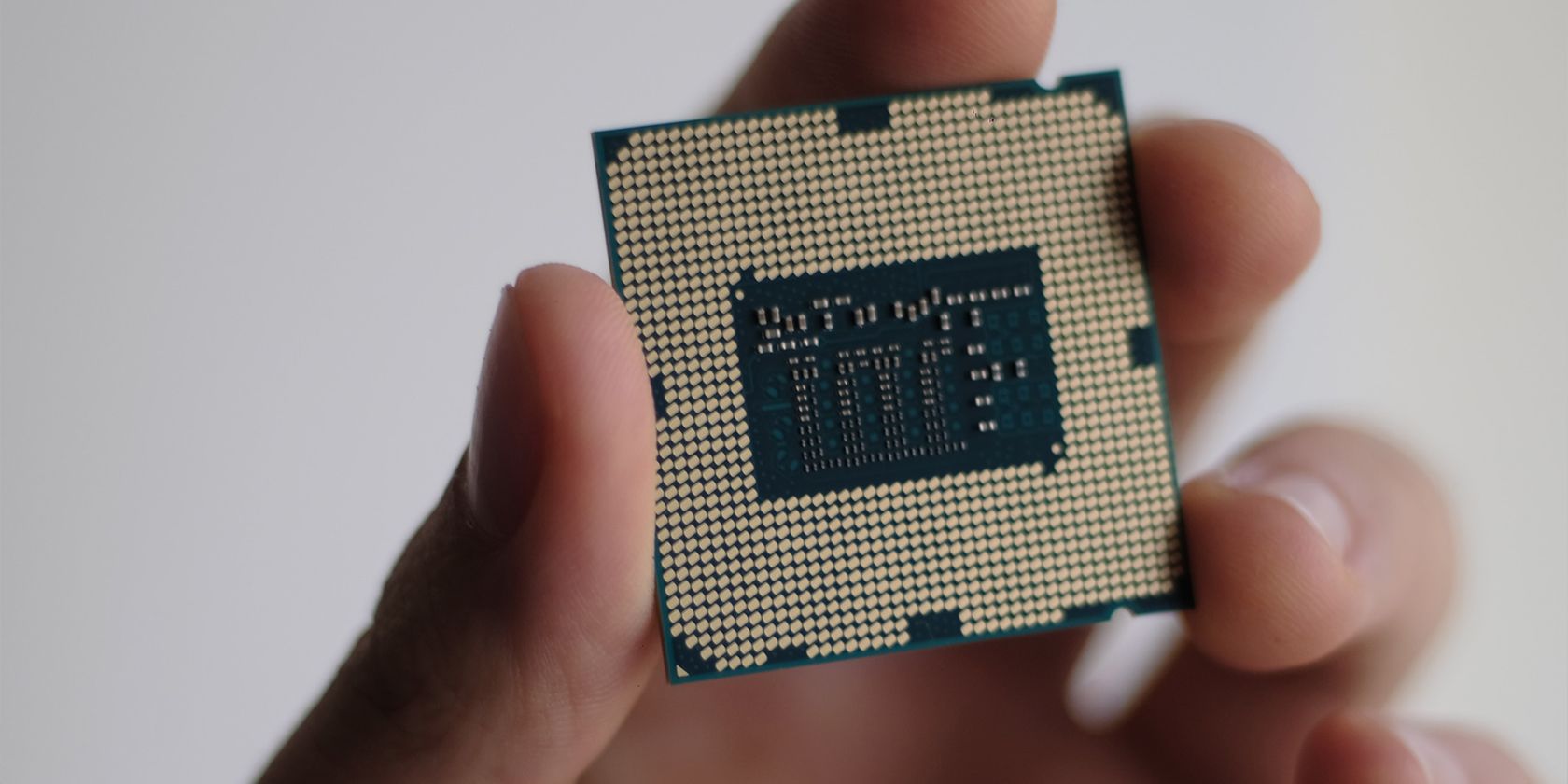
Tech is getting smaller every twelvemonth, and fixing the intricate hardware is less obvious to the boilerplate person. While quondam tech products were fixable with standard tools that anyone could buy at a local hardware store, modern tech products are smaller and more than nuanced in comparison. They ofttimes require special tools that are not readily available to anybody and can even crave licensing to use.
Of form, some companies take it a step further and intentionally make it harder for people to fix their products. The almost notable example of this is Apple using proprietary pentalobe screws in iPhones and so that repair shops cannot pry the devices open; they need to be Apple-certified to receive the specialized tools.
three. Efficiency
Modern tech products are designed to be the most efficient they tin be in their prepare form factor. Take smartphones, for example. You lot have a limited corporeality of infinite to try and brand the product as proficient as possible.

Making it more than hands repairable would require you to hinder its efficiency from accommodating modulation and repairability. And while you may be okay with that sacrifice, OEMs tin't actually afford to practise that among violent contest where their products are constantly being compared with others.
It's non uncommon for united states as consumers to encounter benchmark scores to judge a device's functioning and immediately disregard information technology if information technology'south below a certain level. This is why compromising on efficiency to brand room for repairability is not an like shooting fish in a barrel decision for manufacturers to make.
4. Competition
In a competitive business organization surround where every customer wants to get the best bang for their buck, information technology's non a viable long-term business strategy to make your products more than repairable and long-lasting. You'd substantially be cannibalizing your future sales.

If buyers can use your products for years by merely repairing them one time in a while, you won't have any regular inflow of repeat customers. And without recurring customers, yous'll have a hard time trying to generate plenty acquirement to survive, let lonely expand.
One way to counter this is a precipitous increase in subscription models where the user pays a regular monthly fee for all sorts of continual benefits. Think Amazon Prime, Apple TV, Spotify Premium, etc.
While hardware is not in the manufacturer'south control after the production is sold, the software tin can be manipulated fifty-fifty after the sale. This fashion, OEMs make profits fifty-fifty if buyers hold on to their devices for longer.
5. Demand and Supply

We saw how making products more than repairable makes them less efficient, just the consequences don't end in that location. A lesser-known argument confronting the correct to repair simply comes downward to basic economic science. OEMs can't release products inferior to their rivals' and expect their customer base to not react.
Equally the demand for a article drops due to a reduction in quality, its toll drops with it because fewer people are willing to buy it. There isn't enough incentive for sellers to sell that commodity when the price drops due to inadequate profits. There needs to be an equilibrium.
Without it, the competition in the market place volition reduce and brand things worse for consumers every bit they'll be forced to buy products from a select few businesses that managed to survive—depriving them of their freedom of choice. Ultimately, this game of dominos ends upwards hurting the consumer.
6. No Incentive to Innovate
We know that tech gets cheaper and ameliorate over time due to economies of scale and innovation, but that principle rests on one primal assumption: there is plenty incentive for manufacturers to consider taking on the take a chance and costs of R&D.

The reason OEMs constantly push for new bleeding-edge tech is considering they take a articulate advantage to do so. In a world where people don't upgrade their gadgets frequently and are used to repairing them, innovation volition be left equally an afterthought instead of being a priority.
Later all, if yous equally a manufacturer don't see any benefit in innovating because no i is going to buy those new products anyway, why carp taking on the financial take a chance and betting your company'southward survival on it? Ameliorate to just proceed things the way they are, correct?
The Right to Repair Won't Fix Everything
Ultimately, the purpose of the right to repair is to reduce waste material and carbon emissions to slow down climatic change. While there is no gold solution to fix everything instantly, things tin be done to help the cause.

One obvious solution is to increment the apply of recycled materials in the manufacturing process. A fair number of brands already practise so, and the more, the better. But again, at that place needs to be a clear incentive (or governmental obligation) for OEMs to utilise recycled parts over brand new ones.
Another interesting solution is to bring more standardization in tech. For instance, making all consumer electronics USB-C compatible seems like a keen offset. We saw how the Eu is pushing for the aforementioned and how tech reviewers support this decision.
Ane way y'all tin can help is by spreading the discussion and supporting creators similar Louis Rossmann, who endorse the right to repair. Small increments similar this go a long fashion to assistance the crusade and make a positive change.
About The Writer

Source: https://www.makeuseof.com/arguments-against-right-to-repair/
0 Response to "Arguements Agains Those That Are Okay With Abortion"
Post a Comment